


What Not to Do When Buying a Used Car
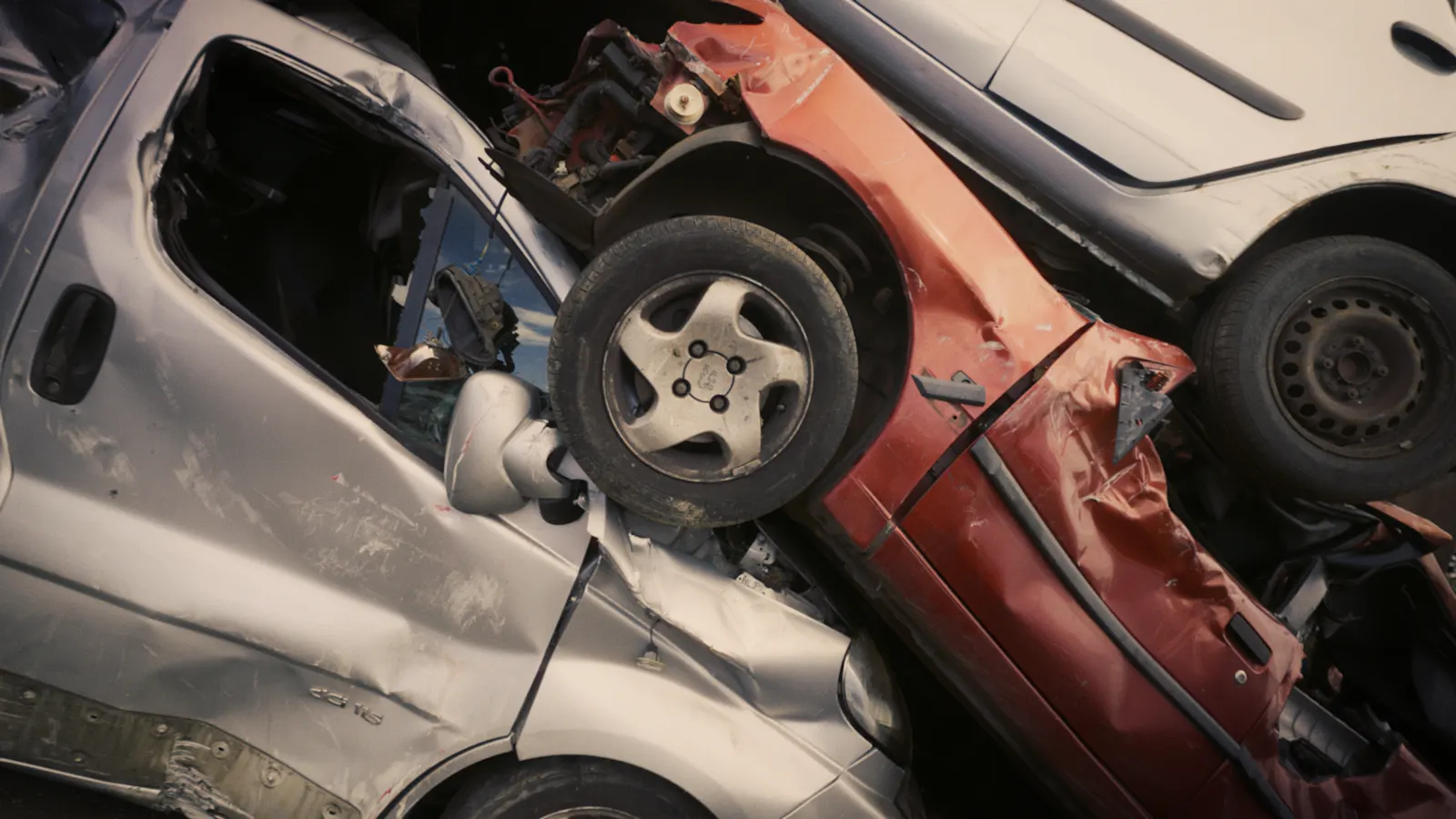
In some respects, buying a used car is a no-brainer. The moment you drive a shiny-new car off the dealer’s forecourt, it begins to depreciate in value.
Depending on the make and model of the vehicle in question, you could be looking at thousands of pounds in lost value over the course of the first year or two.
In terms of value for money, therefore, buying a used car is almost always a smart decision. But at the same time, it’s also a process that can go quite wrong, quite easily.
Without further ado, here’s a brief rundown of 5 things not to do when looking to buy a used car of any kind:
- Buying Based on Looks
It’s remarkable how many buyers base their decisions primarily (or exclusively) on the appearance of a vehicle. If it looks great, that’s really all they care about. A recipe for disaster if ever there was one, as looks really should be the least of your concerns. Safety and roadworthiness should be your top priorities, when shopping for a used car.
- Not Taking a Test Drive
Research suggests that almost 20% of used car buyers don’t bother taking a test drive before buying a car. By contrast, the average buyer shopping for a new car will test drive seven different cars, before making their final decision. Under no circumstances is it ever sensible to buy a car you’ve never actually driven. Even if it’s in perfectly good working order, you could still find the ‘feel’ of it just isn’t for you.
- Failing to Have it Checked and Verified
Unless you know exactly what to look for under the hood and elsewhere, you need to take a competent third-party along for the ride. Buying a used car without conducting a detailed inside-out inspection is inadvisable. \Then again, so too is attempting to conduct an inspection yourself, if you haven’t really got a clue what you are doing. Don’t forget, you can always pay a local mechanic to give the car you’re considering a fully independent once-over on your behalf.
- Not Running a Vehicle History Report
The DVLA offers a variety of tools for looking into the past history of any used car. In doing so, you can find out whether there are any outstanding finance payments on the vehicle, whether it has been written off in the past and whether it actually belongs to the seller in question. It’s quick and easy to do, providing essential information that could make all the difference. Though it’s also something that most used car buyers don’t bother with, for some reason.
- Not Even Trying to Negotiate
Last up, it’s best to see the price of any used car for sale as something of a ‘guide’ price. However cheap or expensive it may be, there’s a good chance there will be a degree of wiggle-room. Even if the seller indicates that the price is non-negotiable, the fact that the car is still on sale suggests otherwise.
Related
Is It Worth Paying For An Advanced Driving Course?
Ask any road safety experts and they will tell you the same: Learning to drive is a lifelong experience – not a one-time-only task. The problem is that…
Mobile Phones and Driving: What is and isn’t Allowed?
Mobile Phones and Driving: What is and isn’t Allowed? The subject of mobile phone use while driving is one of surprisingly heavy debate. Ask a dozen…

How Far Can I Safely Drive with a Flat Tyre?
There’s nothing quite like the unmistakable flapping sound of a flat tyre to put a real crimp on your day. As most drivers will know, punctures and…